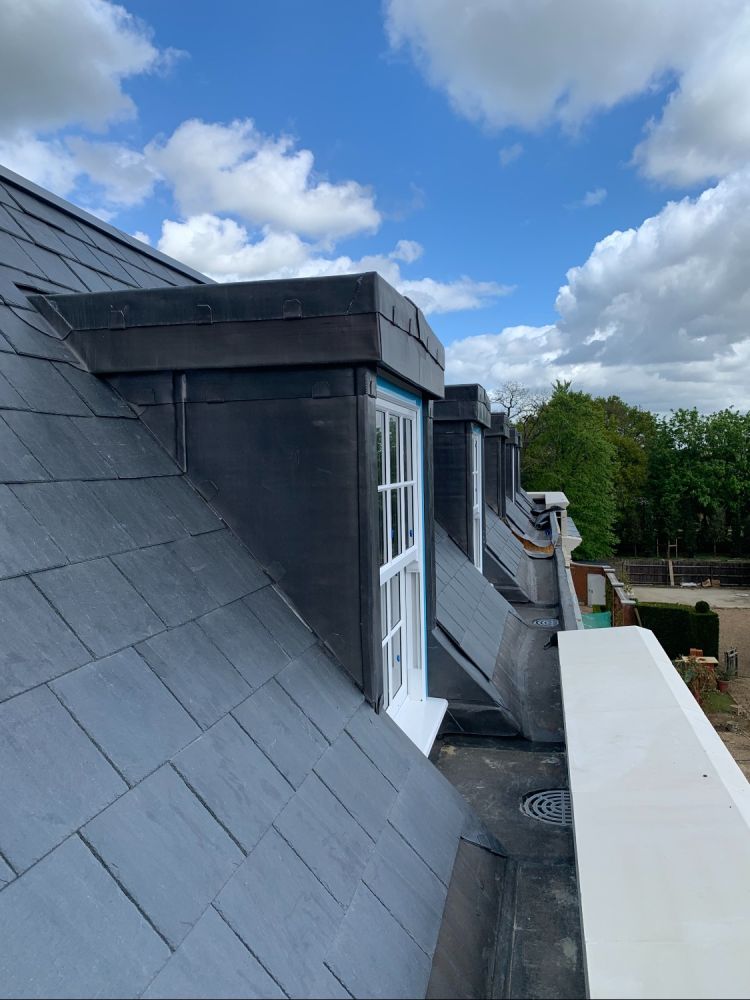
When it comes to roofing in the UK, few options can match the elegance, durability, and heritage value of natural slate. For centuries, slate roofs have adorned British homes, churches, and historic buildings—offering a timeless look while withstanding the unpredictable UK weather. If you’re considering slate for your property, here’s everything you need to know about the installation process, benefits, and why it remains one of the best roofing choices.
- Why Choose Slate Roofing?
Longevity: Slate can last over 100 years if installed correctly.
Low Maintenance: Once fitted, slate requires minimal upkeep compared to other materials.
Weather Resistance: Perfect for the UK’s wet and windy climate, slate is naturally waterproof and fire-resistant.
Aesthetic Appeal: Natural variations in colour and texture give each roof a unique, premium appearance.
Sustainability: Slate is a natural product with a very low environmental footprint.
The Slate Roofing Installation Process
Initial Survey & Planning
A professional roofer will inspect your roof structure to ensure it can support the weight of slate, which is heavier than most alternatives.
Roof Preparation
Old roofing materials are carefully removed, and the roof deck is checked for structural integrity. A breathable underlay is then installed to protect against moisture.
Fixing Battens
Timber battens are secured horizontally across the rafters. These provide the fixing points for each slate tile.
Slate Tile Laying
Slates are laid in overlapping rows from the bottom upwards.
Each tile is fixed with copper or stainless-steel nails to prevent rusting.
The pattern and overlap ensure water runs off effectively.
Detailing & Finishing Touches
Special attention is given to ridges, hips, and valleys, where water flow is highest. Lead flashing is fitted around chimneys, skylights, and junctions to ensure watertightness.